Social media is getting popular by the day. However, businesses aren’t moving at the same pace. Up to 40% of businesses don’t have a documented social media marketing strategy.
They do have a presence on social media platforms and most of them are quite active.
But when you do it without a strategy, you don’t know where you are, where you want to be, and how you’ll reach your destination.
If you are spending resources on social media marketing, you have to do it the right way.
This guide covers it step-by-step.
Let’s figure out what social media marketing strategy is, why it’s important, and how you should create one for your business.
What is Social Media Marketing Strategy?
A social media marketing strategy is a formal document that outlines your business’s action plan to use social media to achieve your goals. It defines everything you have to do on social media.
Your social media marketing strategy starts with a well-defined objective, target audience, selected social platforms, content planning and creation, analytics and engagement, and measuring performance.
It defines the overall long-term objective of what you want to achieve with social media marketing. This objective is achieved by running numerous social media marketing campaigns.
Your social media marketing strategy is a subset of your brand’s marketing strategy. It works with it and helps you achieve your primary marketing objective. If it doesn’t align and support the marketing strategy, it’ll significantly impact your business.
How to Create a Social Media Marketing Strategy
Here’s a step-by-step guide on how to develop a social media marketing strategy from scratch for your business. The steps include:
- Define objective
- Understand your audience
- Analyze competitors
- Run a social media audit
- Select social platforms
- Create social content strategy
- Publish content
- Track results.
1. Define Objectives
The first step is setting a clear goal and long-term objective for your social media strategy. Your objective should align with your marketing strategy and business objectives.
For instance, you can use social media to drive referral traffic, boost brand awareness, offer customer services, sell to your customers, generate leads, or build thought leadership.
There’s a lot you can do with social media marketing, but you need to look at your marketing goal for the year and then choose an appropriate social media marketing objective.
If your marketing goal is focused on traffic generation, your social media objective should be the same.
If your marketing objective is to increase sales, the social media marketing goal needs to be focused on increasing sales.
The idea is to use social media to achieve your business’s primary marketing goal.
Once this is sorted, the next step is defining the actual goal. Use the SMART goal framework for this.
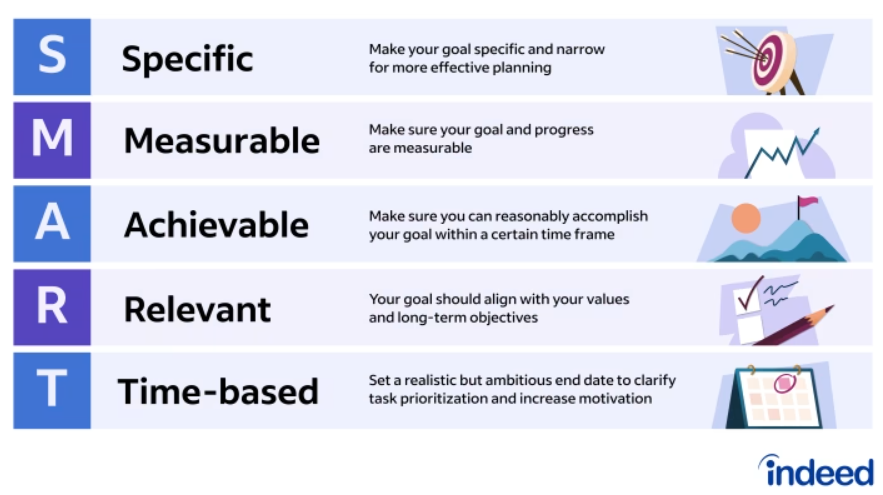
A SMART goal is specific, measurable, achievable, relevant, and time-based. Here’s an example of a SMART goal:
To generate 1,000 referral traffic per month from Facebook and Instagram in 6 months by publishing new content regularly.
Use this template to generate a SMART goal for your social media marketing strategy:
To [quantitative objective] in [time frame] by [specific actions to be taken].
2. Understand Your Audience
You need to research the audience that you want to reach and target on social media.
This might be the same target group that you target via other channels (e.g., your website or search engines). Or, this could be an entirely new audience segment.
In either case, you need to know who your ideal customers are and everything about them including demographics, behaviors, interests, pain points, life goals, etc.
This requires intensive research and creation of buyer personas (or updating existing ones).
Let’s get down to the nitty-gritty.
Audience Research
It is the process of collecting primary and secondary data about your audience to better understand it. The data helps you know who your audience is, their preferences, interests, and behaviors.
You can collect data through primary methods by gathering it from your audience. And you can use secondary data sources to collect it from existing datasets.
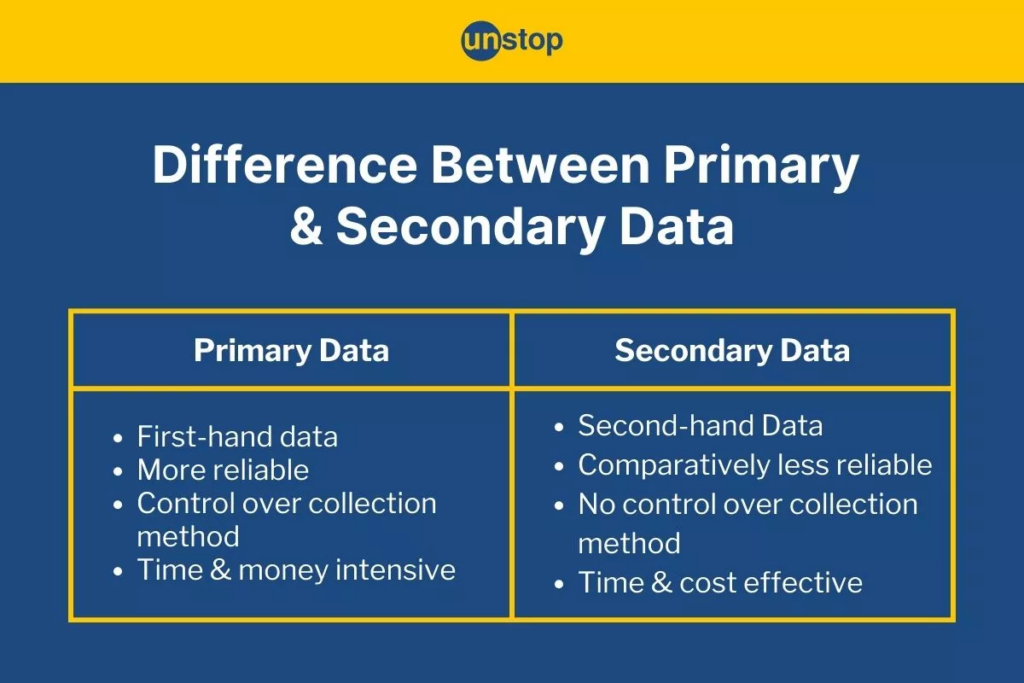
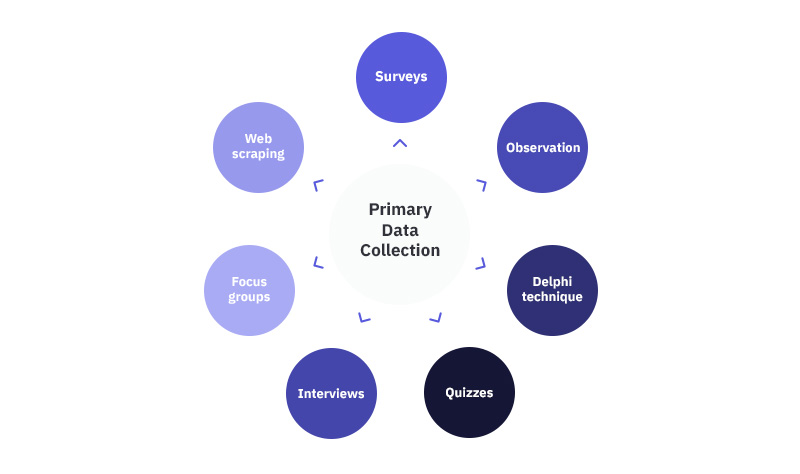
Primary data should be your first preference as it’s reliable and accurate. You need to collect data from your audience directly via surveys, feedback forms, polls, observation, interviews, etc.
This is a costly route. But it is highly recommended.
You can set up feedback or a short survey on your website and start collecting data from your existing audience about their preferences and interests in social media channels and content.
Here’s what type of data you need for a social media marketing strategy:
- Demographics (e.g., age, gender, location, income, etc.)
- Behavioral data (e.g., preferred social platforms, content preferences, active hours, etc.)
- Psychographic (e.g., interests, attitudes, hobbies, etc.).
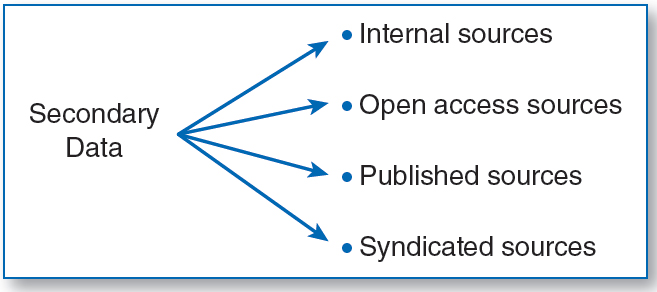
Secondary data is cheap and readily available, but it isn’t as reliable as primary data. You can collect secondary data from existing sources such as your analytics tool, CRM, customer support data, government databases, commercial data, competitor analysis, and web scraping.
It’s very challenging to find accurate data about a target market. The available data might not meet your needs and you have to compromise on a lot of levels.
Generally, you should start with secondary data and then move towards primary data for audience research.
Buyer Persona
The audience research data is used to create or update buyer personas.
If you are targeting a new audience via social media, create new buyer personas for each target group. However, this rarely happens.
Most businesses target the same audience because the target market doesn’t change too often. In this case, you need to add new data to existing buyer personas.
If you don’t have buyer personas, refer to this detailed guide to create them for your business using audience research data.
You need to ensure that buyer personas have the following data once they are ready:
- Purpose of using social platform
- Social media preferences
- Social media channels used
- Content preferences
- Time spent
- Active hours
- Type of pages/brands followed
- Social buying
- Engagement and activity level.
This will set you up for creating targeted social media marketing campaigns.
3. Analyze Competitors
Analyzing your competitors provides you with additional data about your audience, targeting, content formats, what to do, and what not to do.
Importantly, you can identify gaps.
What your competitors aren’t doing is something you should tap into.
You need to begin by identifying your top competitors, evaluating gaps, and running an in-depth comparison:
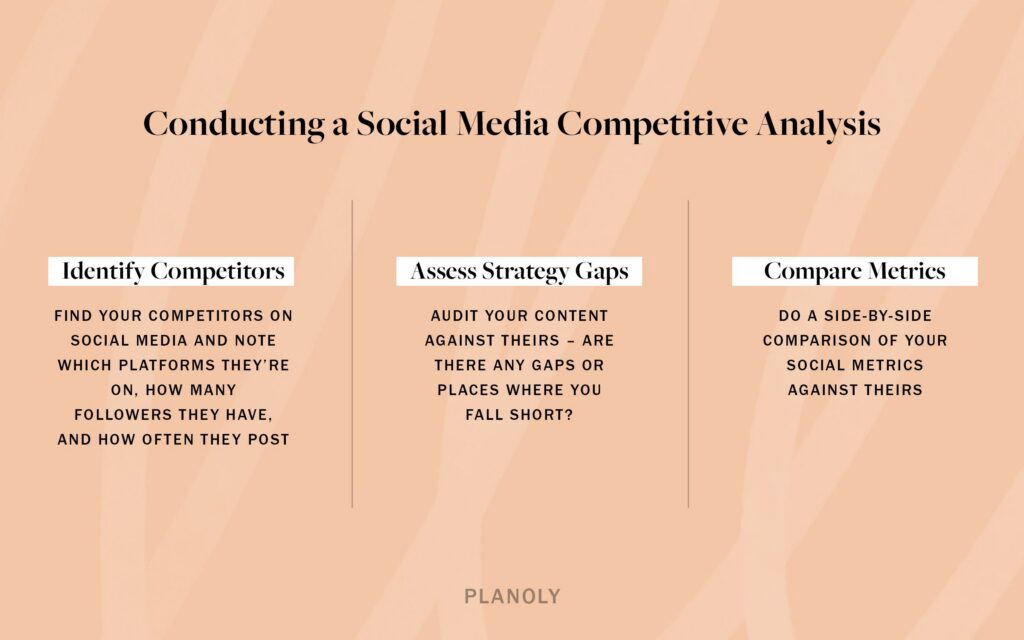
You need to pick the right competitors, not just any random competitors you see on social media. Pick 3-5 top direct competitors and then dive deep into their social media marketing strategy.
Here’s what a competitor analysis should look into:
- What social media platforms are they targeting actively
- Their content publishing schedule
- Content formats they use and engagement across different post types they receive
- Themes they use for content
- Paid vs. organic campaigns.
The data from competitor analysis shouldn’t be used in the buyer personas (unless extremely necessary). I will explain why doing so is a bad idea.
Most businesses prioritize data from competitor analysis in customer personas since it’s something that’s already working. They see the potential.
But this is not firsthand, primary data. It is a form of secondary data that isn’t reliable.
If it’s working for someone (based on data you have access to), it doesn’t mean it’ll work for you. Keep in mind, you don’t have access to the full data.
For instance, if primary data indicates your ideal customers prefer image content on social media. On the other hand, your competitors have prioritized video content and it gets the most engagement.
That’s a dilemma.
The best approach is to stick with primary data and use competitor analysis data as secondary. You can always tweak your strategy at a later stage.
But at this moment, don’t dilute primary data.
Competitor Analysis Methods
The big question is: how to do competitor analysis for social media marketing strategy?
Everyone emphasizes doing it, but nobody tells you the exact steps you have to follow to conduct a competitor analysis successfully. One that generates meaningful, reliable data.
Follow these steps to conduct competitor analysis for social media strategy:
- Identify 3-5 close competitors
- Inspect them manually. List their social media accounts and key details in an Excel sheet
- Use a competitor spying tool such as SpyFu, iSpionage, BigSpy, or any other. Identify their top performing organic and paid content
- Maintain an Excel sheet for all the details
- Use the same tools to identify gaps by running a SWOT analysis.
It’s very hard to do competitive analysis without a dedicated tool. You shouldn’t do it manually as it won’t provide valuable insights.
4. Run a Social Media Audit
Once you have collected all the data for your social media marketing strategy, it’s time to run a social media audit.
It is the systematic process of reviewing all the social media accounts and content to inspect performance. This step helps you with two things:
- Where you currently stand
- How and where to move ahead from the current state.
Here’s a basic social media audit template you can use:
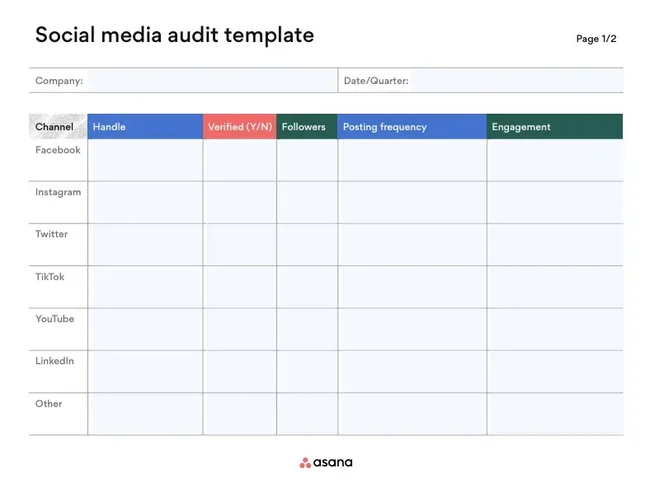
You can add more fields as needed in the template of your choice. It’s a simple task that can be done manually. At the core, you need to evaluate the following in a social media audit:
- Social media profiles
- Content
- Engagement and other metrics
- Position against your competitors.
Most businesses use it as a superficial activity where they just overlook their profiles and that’s it.
If that’s the approach you prefer using for social media audit, don’t do it at all. The purpose isn’t to scan social media accounts. It is aimed at where you stand in the industry and where you should go from here. This helps you shape your social marketing strategy goal.
Social Media Audit Tips and Tricks
Follow these guidelines when conducting a social media audit for your brand:
- Use a template. It will save you a lot of time. Either use an existing one or create one from scratch for your business.
- Ensure branding and information consistency. Look for outdated addresses, phone numbers, email addresses, or any information. All the profiles across all social networks should have the current data and must be the same.
- Analyze content critically. Are you publishing one type of content too often? Do your social profiles look like sales letters? Is the content valuable and informative?
- Look at key metrics such as engagement, number of followers, percentage growth, etc.
- Compare your metrics with competitors. Are your competitors getting way too much engagement on their posts?
- Identify what’s missing and where you excel. Work on the loopholes and convert your strength into a competitive advantage.
- Look at roles and access. Make sure only allowed individuals have access to your business profiles.
5. Select Social Platforms
It’s not necessary to stick with social media sites that you have a presence on. It’s just a myth.
You also don’t have to be on every popular and most used social media app. It is another myth.
You only have to be on social platforms that fit your business strategy and ones where your audience is. It’s a long-term investment and you need to make sure your resources are spent on a social channel that has the potential to give a decent return.
Not every social media platform is meant to be for your business.
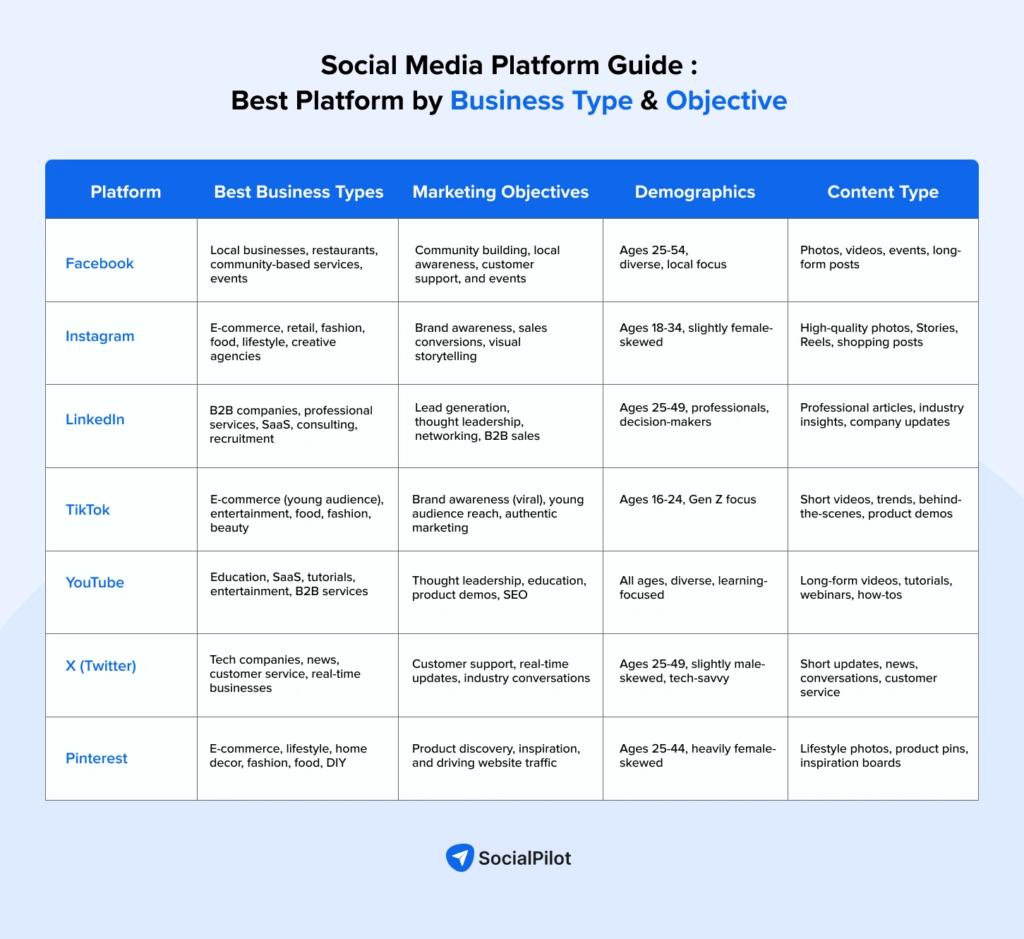
For instance, up to 63% of Gen Z use TikTok as their only search engine. The type of content they like to see is gaming videos and memes. If you have a B2B product, TikTok isn’t the place for you just because statistics show that it is now used as a search engine.
LinkedIn is the best social platform for B2B businesses as its core user base includes professionals.
You need to look at a lot of variables before deciding if a social platform is actually ‘right’ for your brand:
- Alignment with your business philosophy, vision, and objectives
- Audience presence (does your audience even hang out there?)
- Content format alignment. The platform should support the content formats that your brand wants to publish
- Marketing strategy alignment
- Potential for ROI. Both in the short and long run.
Remember, everything that’s popular is not worth pursuing.
6. Create Social Content Strategy
Content strategy is a subset of your brand’s social media marketing strategy. It defines everything related to content that you should publish on social sites.
Social content strategy is a formal document that outlines content ideas, formats, and publishing guides and schedules for each social platform you are targeting. It does much more than mere content creation and scheduling. It defines the purpose of each content piece you have to create and the full content themes your brand will cover in a specific time period.
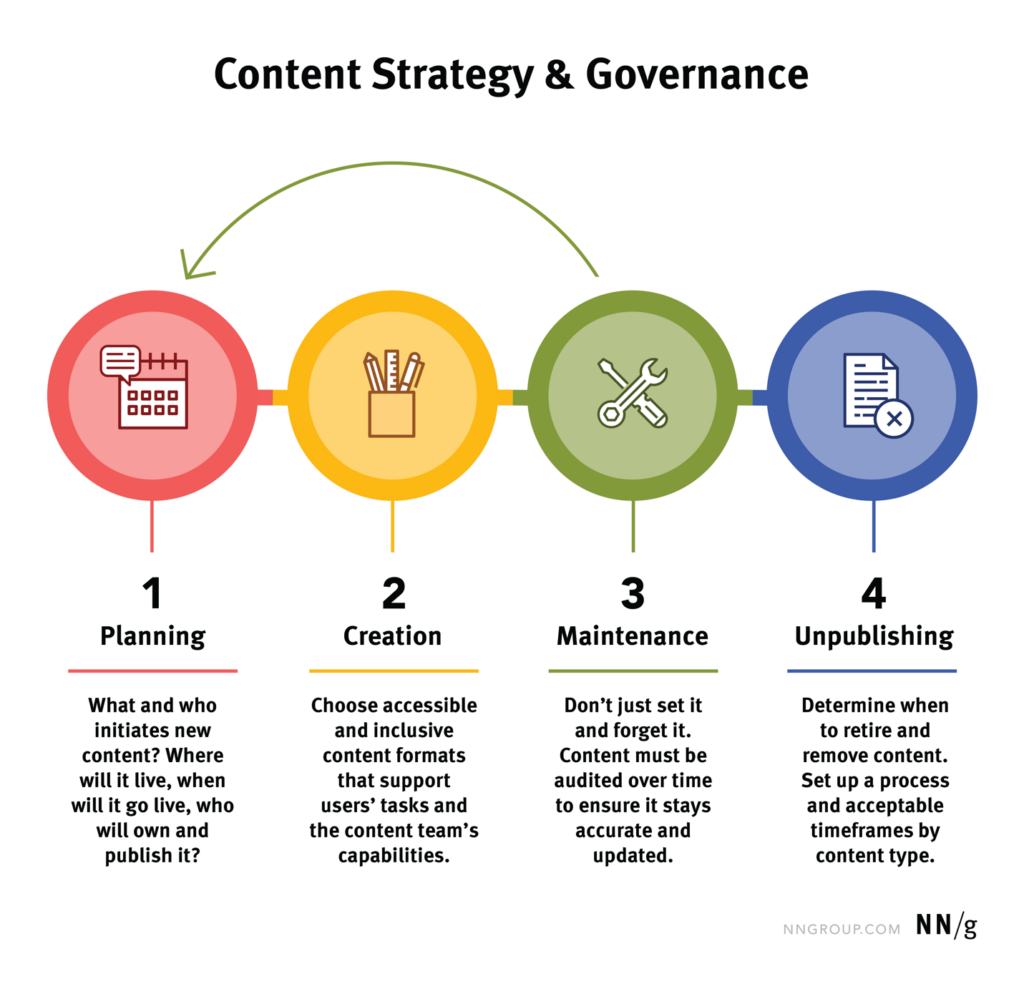
The key things a content strategy should cover are:
- Content planning: What content themes and ideas to cover and why? How is each of these content themes linked to our content marketing strategy? You need to come up with broad topics, themes, and ideas that link back to your content and SEO strategy.
- Creation: It outlines content formats for each social platform along with how content pieces will be created. Do you plan to create videos in-house or outsource them? How will a podcast be repurposed into shorter clips for social media and who will do it?
- Maintenance: How often will content be audited? Who will manage content once it goes live? Who’ll be responsible for responding to comments and queries on social channels?
- Refresh and revise: It outlines the policy and SOPs for content removal, updates, and revisions.
Editorial Calendar
A social media editorial calendar is a subset of your content strategy. It’s a document that’s used to schedule content for publication. It ensures consistency and keeps your content publication organized.
Here’s an example of a social media editorial calendar:
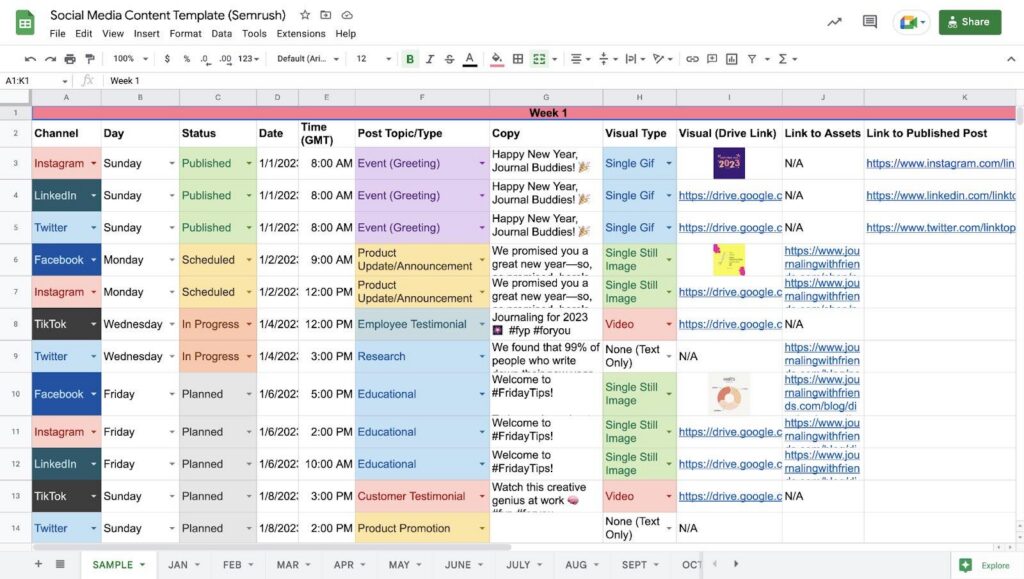
It must include the following information:
- Publication date
- Content format and purpose
- Social platform where it’ll go live
- Content and relevant assets
- Relevant campaign
- Link and CTA
- Who’ll create, edit, and publish content
- Status updates.
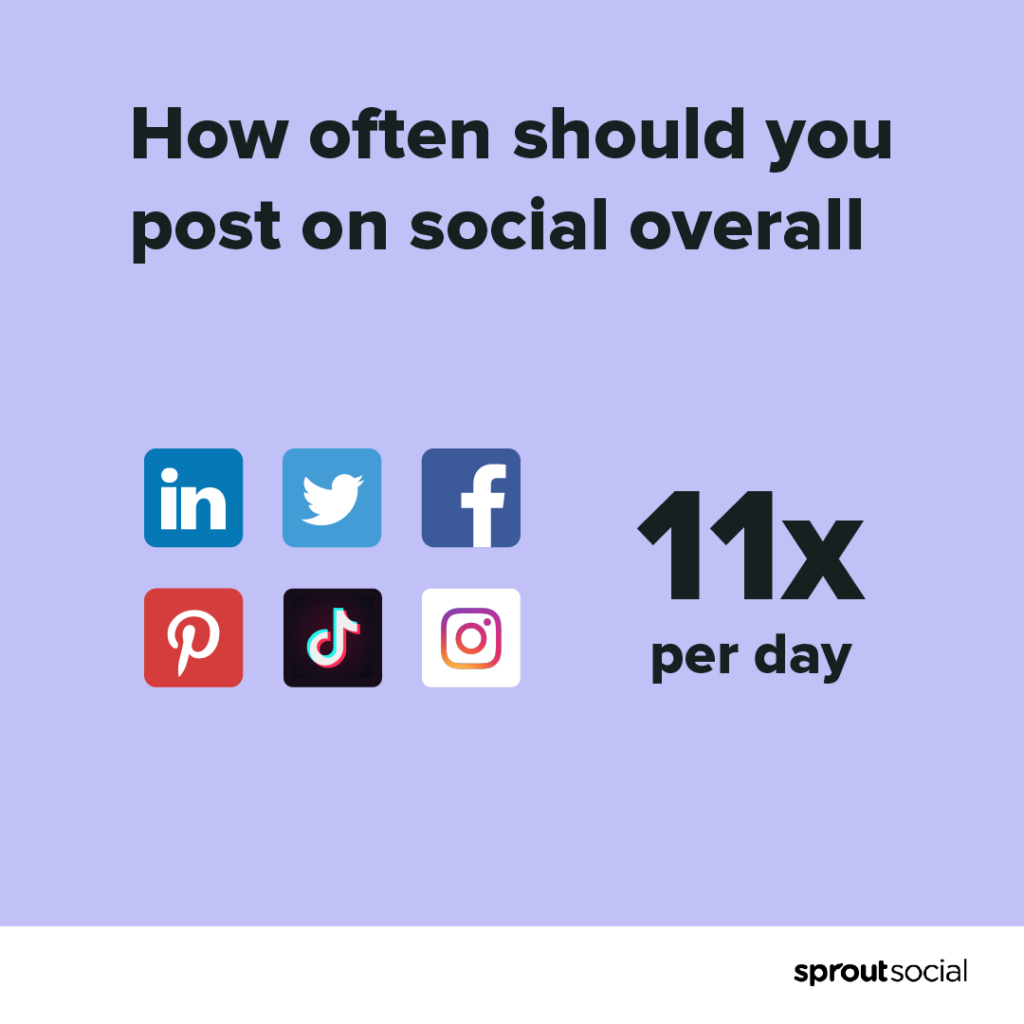
It helps you maintain publishing frequency. Research shows that the normal publishing frequency on social media is 11 times per day:
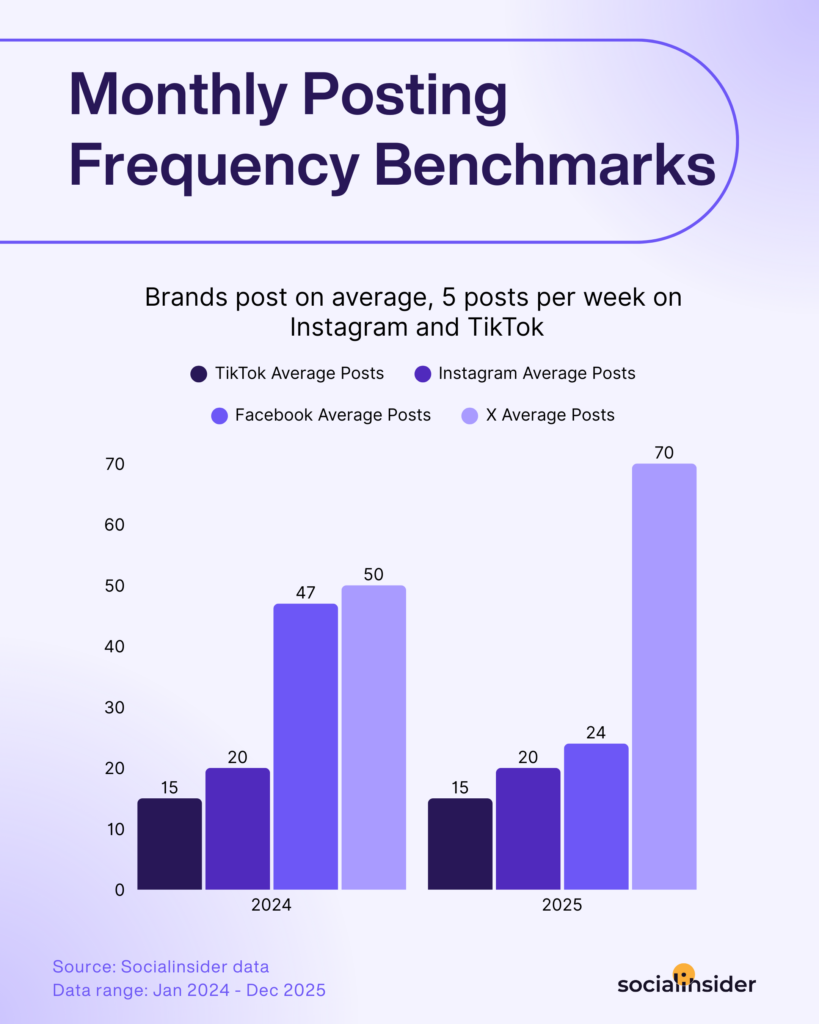
On average, businesses publish at least 5 posts per week on Instagram and TikTok, whereas they post 2+ times per day on X:
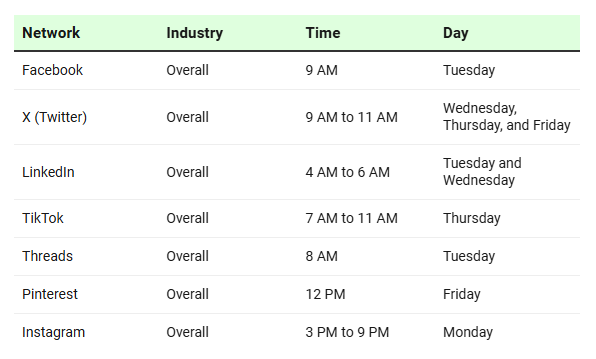
It doesn’t just end here. You have to publish content on the right day and time to maximize its reach and engagement. Mornings of weekdays generally tend to have the highest engagement rates across all social networks:
You can manage publishing frequency, days, and time precisely with an editorial calendar. Of course, it doesn’t just help you with scheduling. It organizes all social content in a single place for anyone to look at and get an idea of where you are currently standing.
7. Content Creation
Creating content for social media that your audience likes is no less than a science.
And creating content at scale itself is a challenge. You need tons of resources and leverage AI smartly.
Yes, using AI for social content creation isn’t bad. In fact, it’s recommended because it gets easier to create content at scale. You don’t have to rely solely on AI. When you ask AI to create content and then you put it live on social media right away, that’s where it gets problematic.
A whopping 56% of businesses use AI to create short-form videos and 53% use it for generating images:
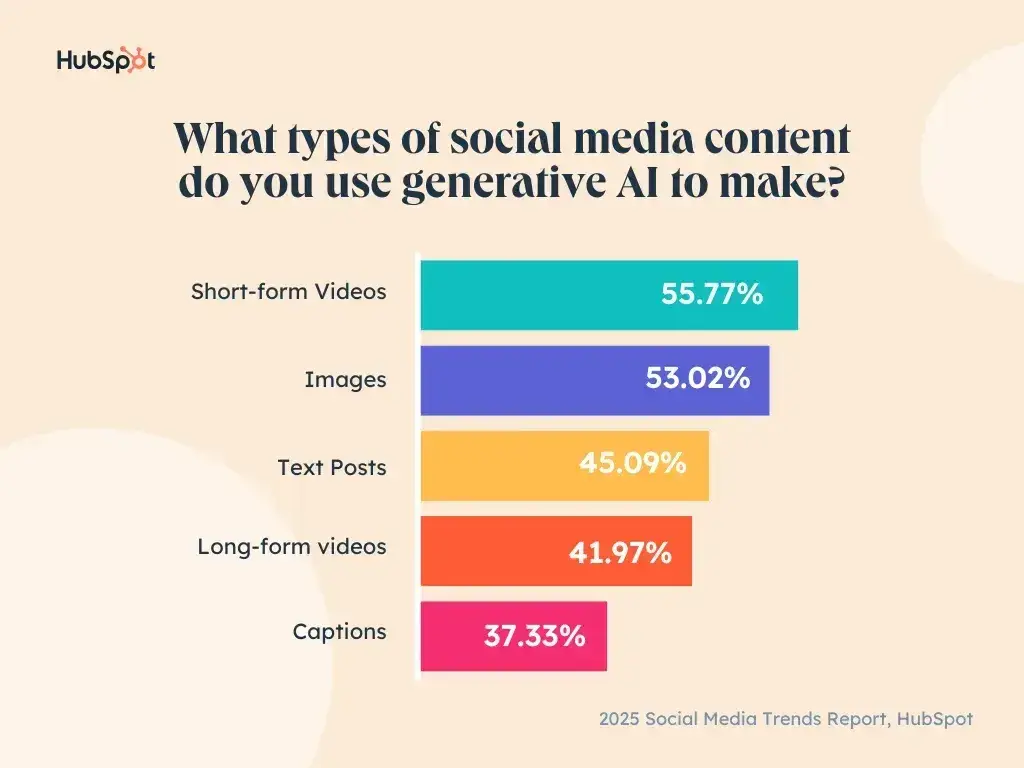
Strict human intervention at multiple stages can significantly improve productivity and content quality.
So, rule #1 is to use AI smartly. Don’t shy away from it.
What’s rule #2?
Grab attention instantly.
Whether it’s text, image, or video, you need to use a strong emotional hook to get the attention of your audience. People on social media scroll very quickly. The average attention span per social media post is around 6.5 seconds. On Facebook, it is around 1.7 seconds and for Instagram, it hovers around 3 seconds:
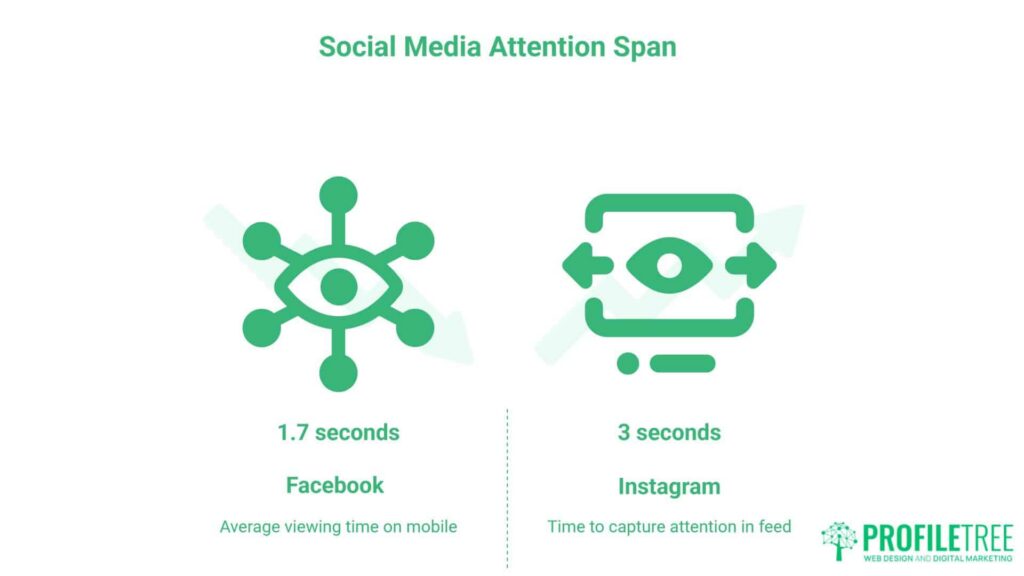
If your content doesn’t get attention, consider it wasted.
How do you hook the audience?
How to Hook Your Audience
Here are the best ways to create social content that does the job:
- Start content with a powerful hook that addresses a pain point of your buyer persona. This is why your content mustn’t be created for everyone. Rather, each piece should target a specific buyer persona (not all of them). This makes hooking your audience much easier.
- Connect emotionally with the audience right away. Refer to their interests, curiosities, or fears so they don’t skip it. Again, you have to be very specific here. Don’t try to do everything in a single post. Choose one emotion and shape content around it instead of using multiple hooks.
- Use a visual hook in video content. For instance, text overlay is a popular hook used a lot in social videos. Experiment with different forms of visual hooks.
- Power words are very helpful for text posts. Use them to trigger emotional responses.
- Use controversy. Challenging a common viewpoint and presenting a different view is a decent way to grab attention.
- FOMO, rarity, and urgency are other techniques you can leverage in social content to create hooks.
There’s no single best way to hook your audience. Keep trying different approaches and see what works best for your brand.
8. Track Performance
Social media marketing strategy doesn’t function on its own. It needs tweaking. Often, a lot of major revisions.
You need to track performance and ROI using the right metrics to make timely adjustments. Performance tracking helps you determine if your strategy is achieving its goal. If so, how effectively?
The best way to measure the performance of a social media strategy is by identifying relevant metrics based on the goal you selected in the first step.
Here are a few metrics based on goals:
- Sales: Social sales, revenue, social conversion rate, etc.
- Lead generation: Social CTR, cost per lead, form fills, etc.
- Brand awareness: Follower growth, impressions, reach, etc.
- Traffic generation: Referral traffic, session duration, on-site engagement, etc.
- Customer service: Resolution rate, response time, customer satisfaction, etc.
Most of these metrics are available in the social media dashboard. It’s fairly easy to track these metrics.
You can use a social media analytics tool for a deeper analysis with more details. Apps like Hootsuite and Sprout Social do a decent job of tracking social media performance across all networks.
Once you have this data, the next step is deciding if you are moving in the right direction.
Ask yourself: If you let your social media marketing strategy continue to work without any intervention, will it achieve its goal?
If so, let it run.
If not, make necessary adjustments.
In both cases, you have to track relevant metrics regularly. Don’t let it run on autopilot.
A Social Media Marketing Strategy Doesn’t Guarantee Success
Just because you have spent hours creating a detailed social media marketing strategy for your business, it doesn’t mean you’ll succeed.
Or, your strategy will function as expected.
If you want it to be successful, you need to set SOPs and rules to revisit, tweak, and update your strategy either monthly or quarterly.
Even if it is working, it still needs adjustments.
Because social media marketing, platforms, algorithms, trends, audience demand, and content preferences change rapidly. You have to keep up with the same pace. And this requires timely modifications to your strategy end-to-end.
That’s what successful, top businesses and marketers do very often.
You should too.
Featured Image: Unsplash